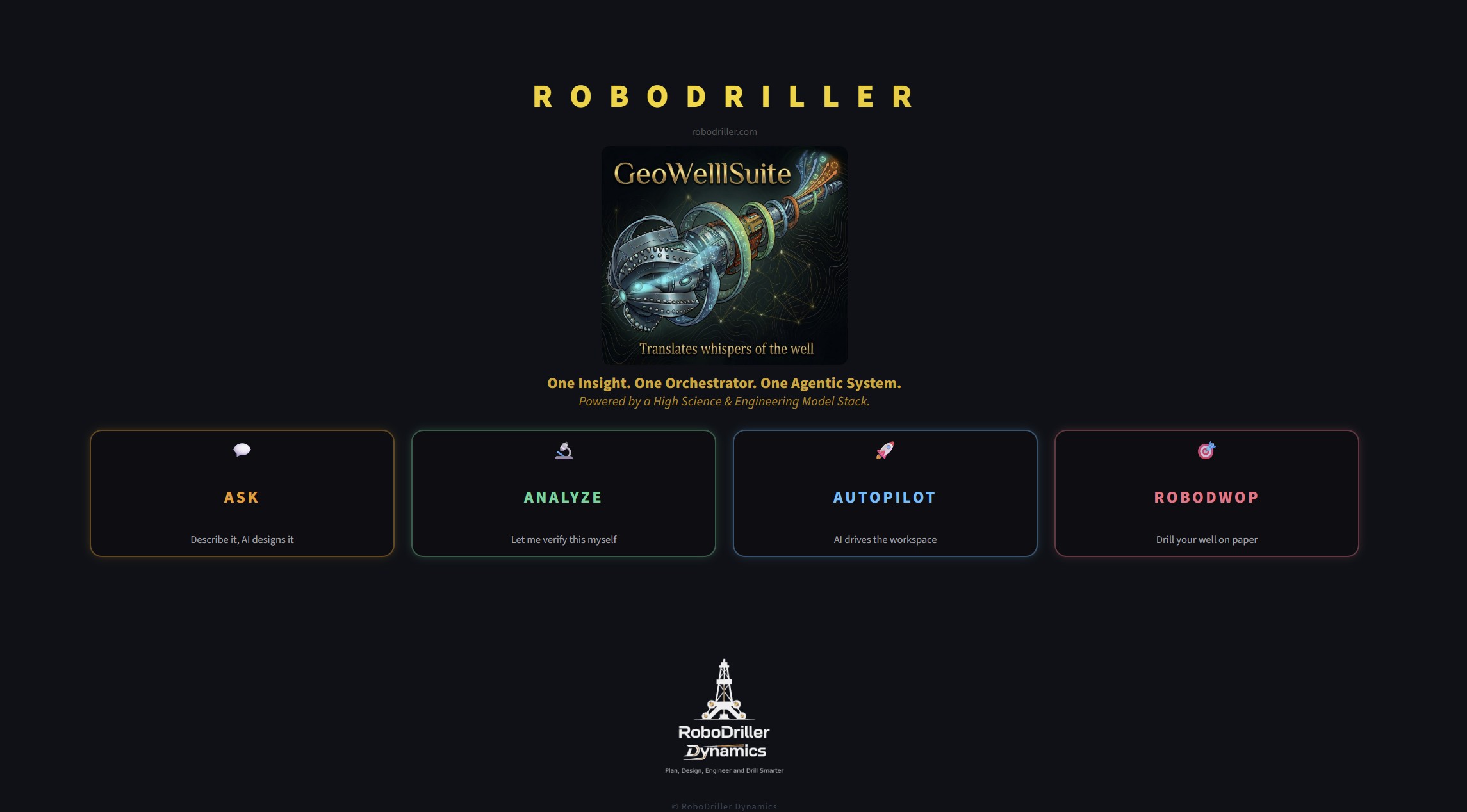
GeoWellSuit connects the well.Engineering remains in control.
GeoWellSuit is an integrated environment for planning, analyzing and optimizing drilling and well-construction operations. It combines comprehensive engineering calculations, transient models, finite-element analysis, shared well data and governed AI assistance—then translates that depth into a simple operating view engineers can use.
Comprehensive calculations without a fragmented workflow.
Traditional well-engineering work is often divided among separate programs, spreadsheets and specialists. Survey data may be recreated for torque and drag, hydraulics may use a different string definition, and BHA analysis may not see the same operating conditions used by the directional plan. The result is duplication, inconsistent assumptions and gaps between disciplines.
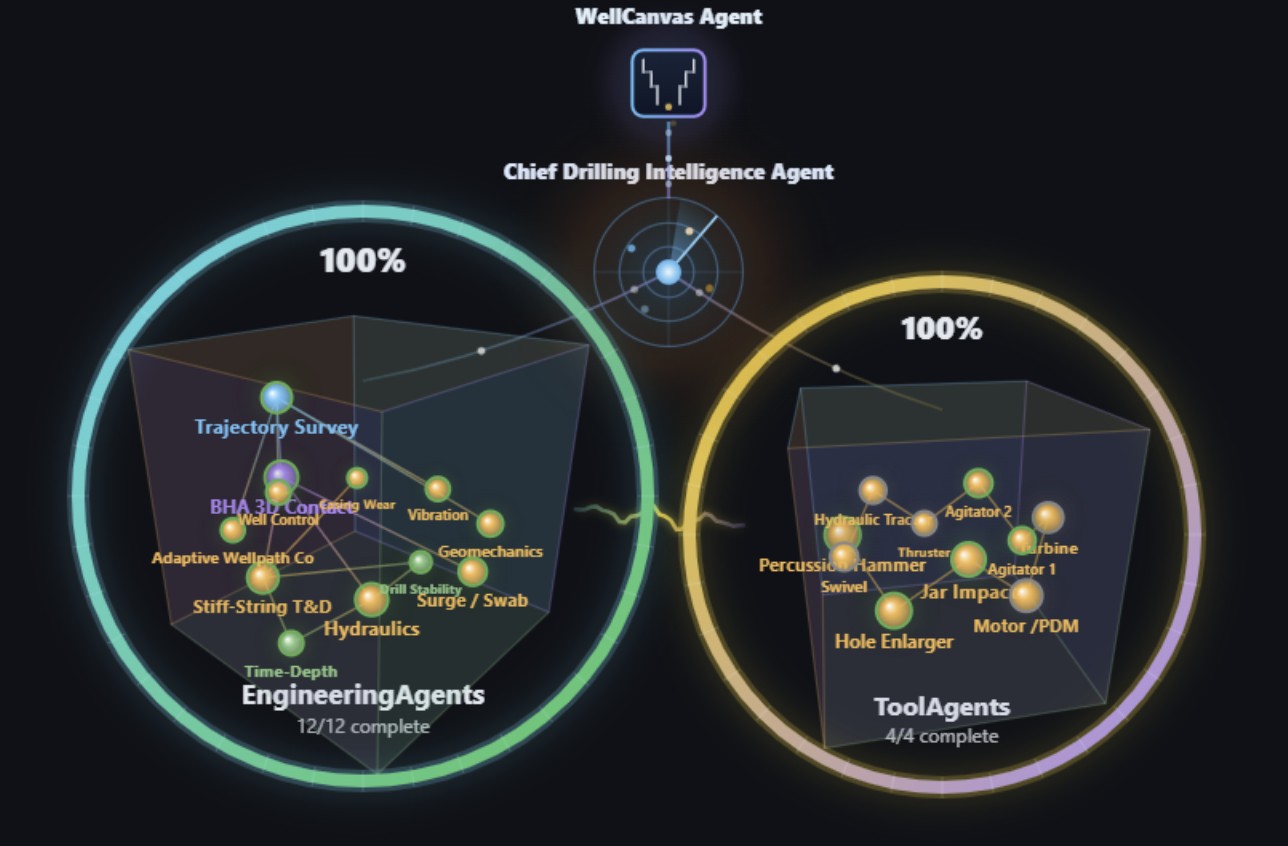
GeoWellSuit maintains a shared definition of the well: trajectory, hole sections, casing, drillstring, BHA, fluids, lithology, pressure environment, operating sequence and uncertainty. Each engineering model consumes the same controlled state. When a component, fluid property or operating condition changes, the impact can be evaluated across connected analyses instead of transferred manually between isolated tools.
The objective is not merely to place more calculations on one screen. It is to preserve the relationships among them. Hydraulics affects hole cleaning and pressure margins. Trajectory influences torque, drag and casing wear. BHA dynamics affects stability and tool loading. Casing design responds to temperature, pressure and annular behavior. GeoWellSuit keeps these dependencies visible and traceable.
Choose how much assistance the engineering task needs.
GeoWellSuit does not force every engineer into an autonomous workflow. Manual Mode provides direct control over inputs, model selection, assumptions, boundary conditions and interpretation. AI Assist can help construct cases, locate inconsistencies, coordinate analyses, explain results and explore alternatives. The governing physics, source data and calculation provenance remain available for review.
Describe the engineering objective. AI helps organize the problem, required data and analysis sequence.
Run calculations directly, interrogate results and independently verify assumptions and constraints.
Allow governed agents to coordinate an approved workflow while recording actions and decisions.
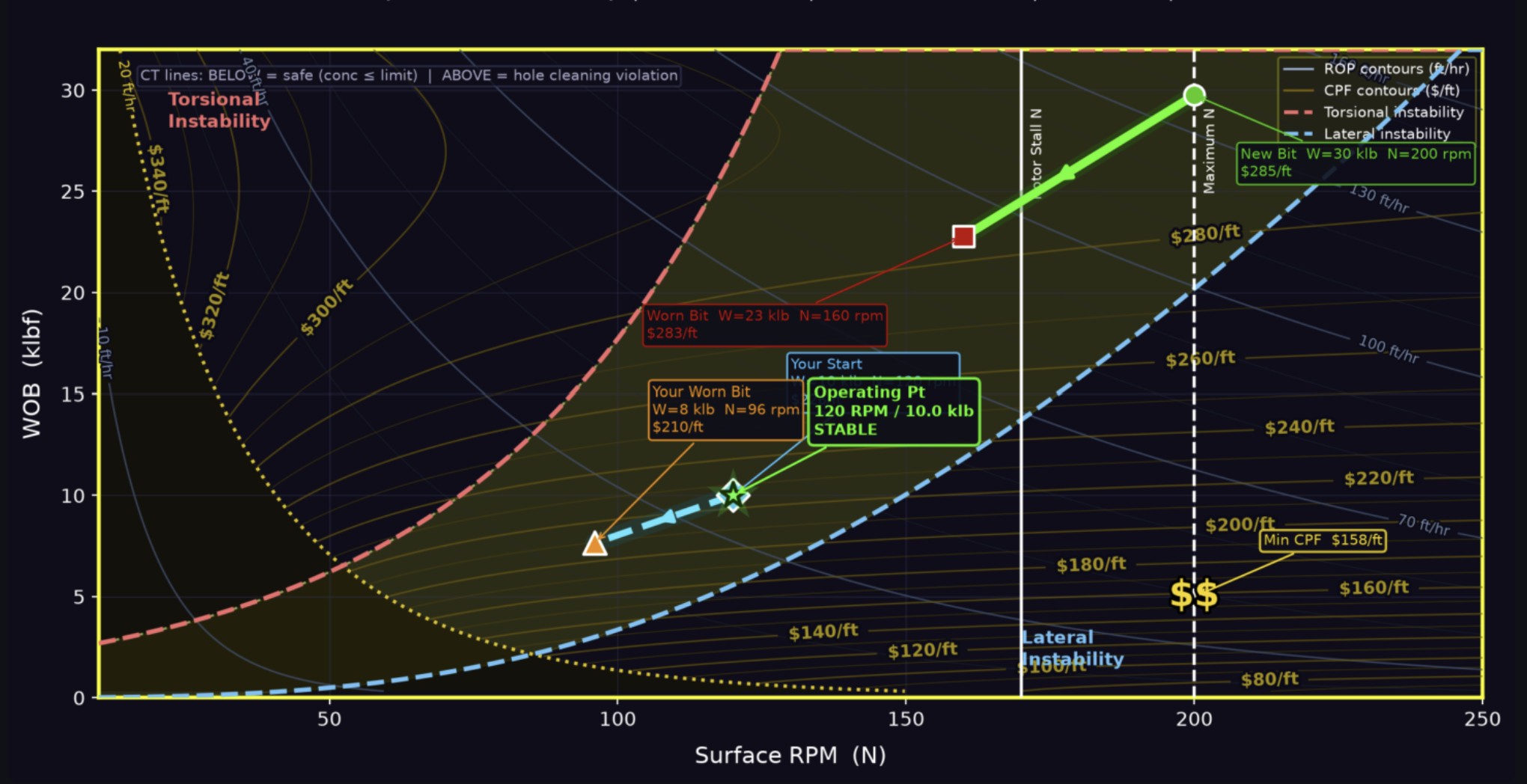
Drill the well on paper by testing the design and operational sequence before execution.
Every major well decision can share the same evidence.
Modules can be used independently or as a coordinated system. Their value increases when changes in one discipline are evaluated against consequences in the others.
Hydraulics Analysis
Calculates transient optimum pressure loss, bit hydraulics, ECD and hole-cleaning parameters to support efficient circulation and protect pressure margins.
Torque and Drag
Models transient drillstring and casing forces across drilling, tripping and running scenarios to prevent overload and improve trajectory decisions.
BHA Dynamics
Uses finite elements to predict critical speeds and lateral, torsional and axial oscillations in low- and high-frequency states.
BHA Mechanics
Predicts directional tendencies, contact behavior, component response and high-stress regions throughout the bottomhole assembly.
Stuck Pipe
Identifies the likely sticking location and calculates back-off, overpull and jar-firing requirements to improve recovery planning.
Swab and Surge
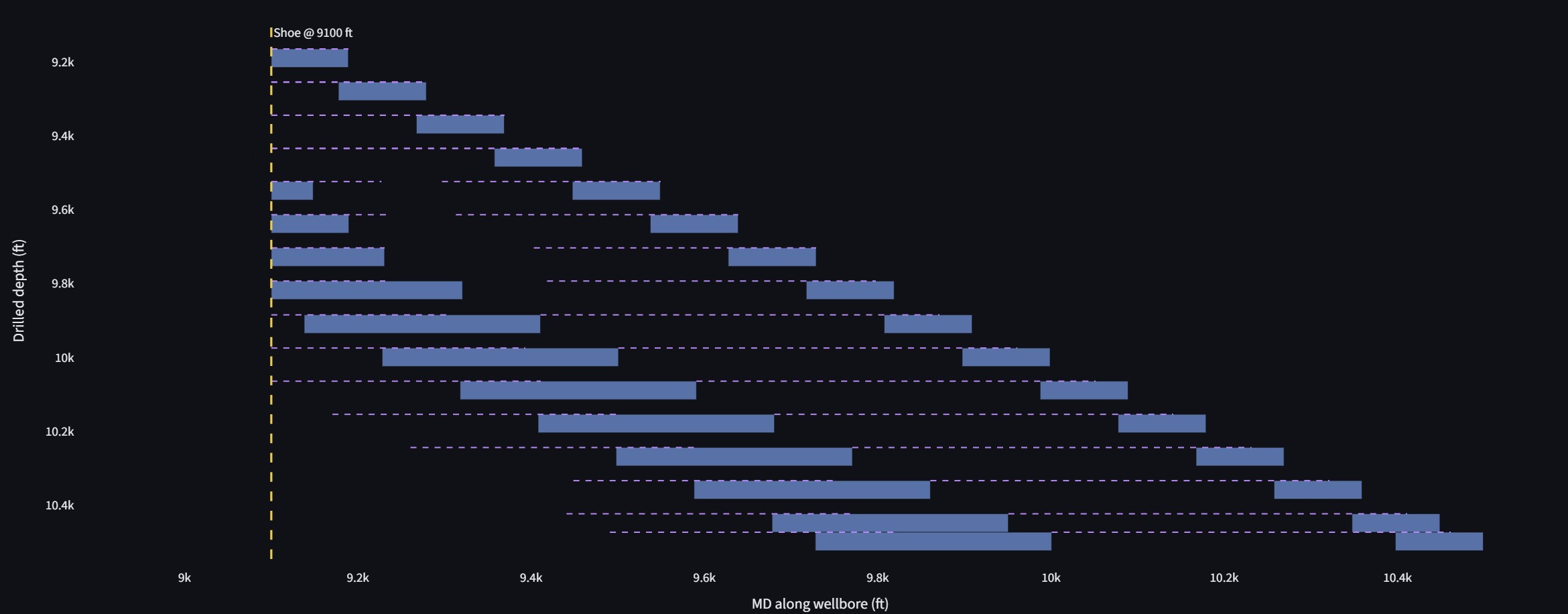
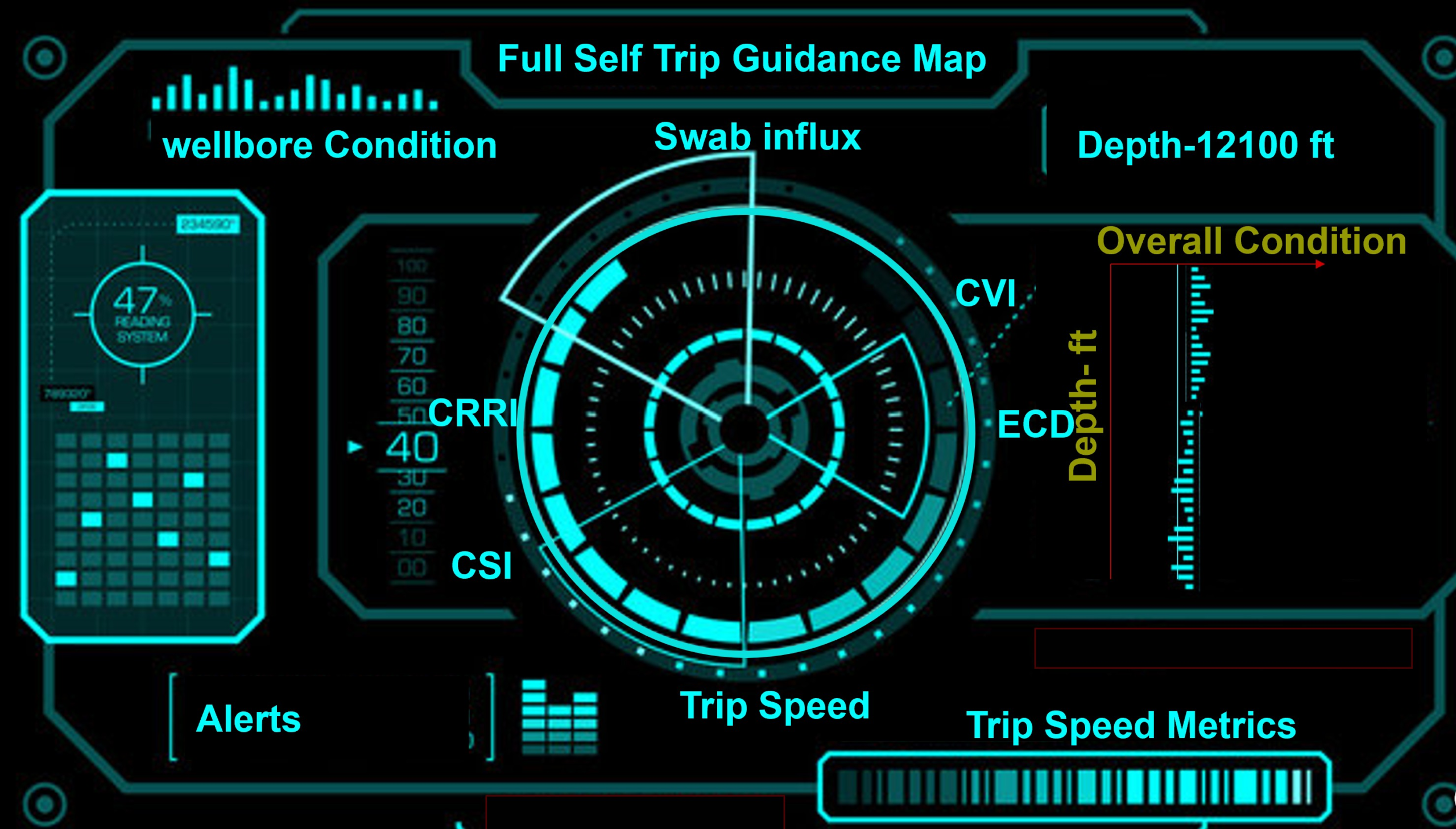
Predicts transient pressure changes caused by pipe movement to manage influx and formation-fracture risk during tripping.
Underbalanced Hydraulics
Analyzes transient multi-fluid systems to control downhole pressure while drilling below formation pressure.
Well Control
Evaluates transient kick tolerance and supports kill-sheet calculations for controlled pressure management during an influx.
Casing Design
Models HP/HT conditions, thermal loads, multiaxial response and annular pressure buildup across multiple casing strings.
Casing Wear
Predicts and visualizes three-dimensional casing-wall reduction caused by drillstring rotation, contact and tripping.
Directional Planning
Optimizes well trajectory by balancing deliverability, torque, drag, drilling cost and anti-collision safety margins.
Survey Management
Processes real-time and historical survey data for accurate, quality-controlled and auditable three-dimensional well placement.
Tool-level physics coupled with the complete BHA.
A BHA is not a sequence of generic outside diameters. Motors, turbines, rotary steerable systems, agitators, jars and other tools introduce their own mechanical, hydraulic and dynamic behavior. GeoWellSuit can represent detailed downhole-tool models and couple them with the full BHA response.
This enables engineers to examine tool placement, interaction, energy transfer, loading, vibration, pressure requirements and operating limits within the assembled system. Tool analysis is therefore connected to the well path, formation contact, fluid system and operating program rather than performed as an isolated equipment calculation.
Impact energy, placement and firing response.
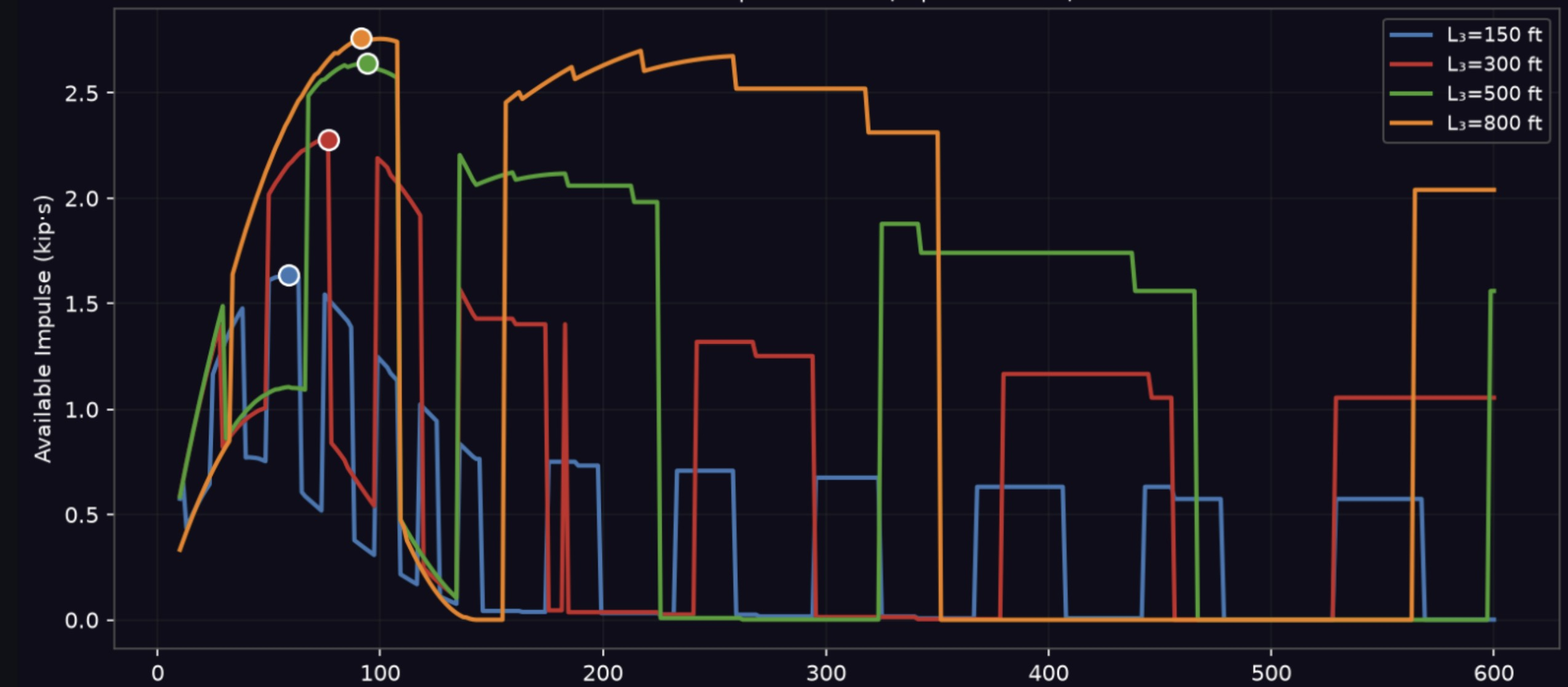
Hydraulic and mechanical operating response.
Speed, torque and system interaction.
Steering response, contact and loading.
Axial oscillation and working range.
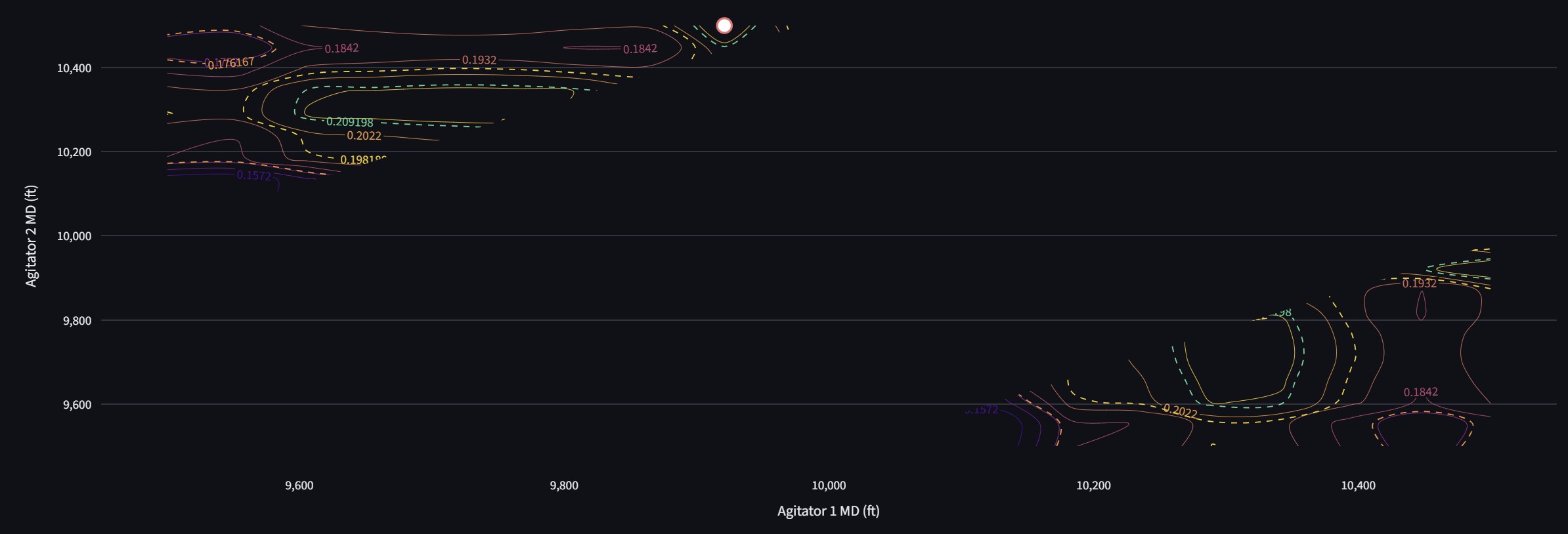
Force transfer and operating envelope.
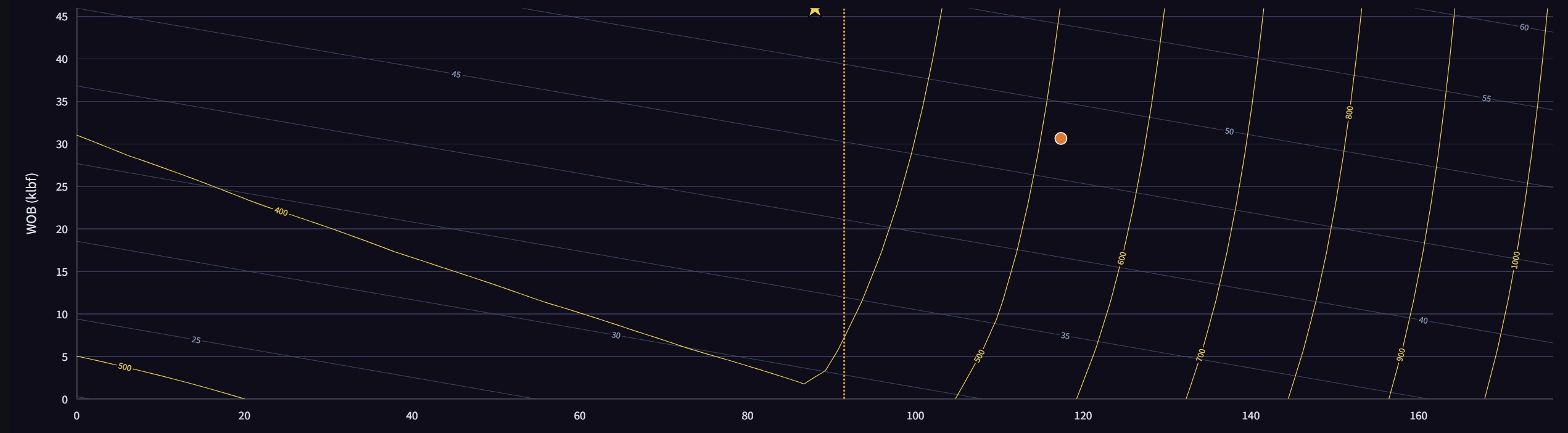
Traction and conveyance requirements.
Rotational isolation and load response.
Impact behavior and energy delivery.
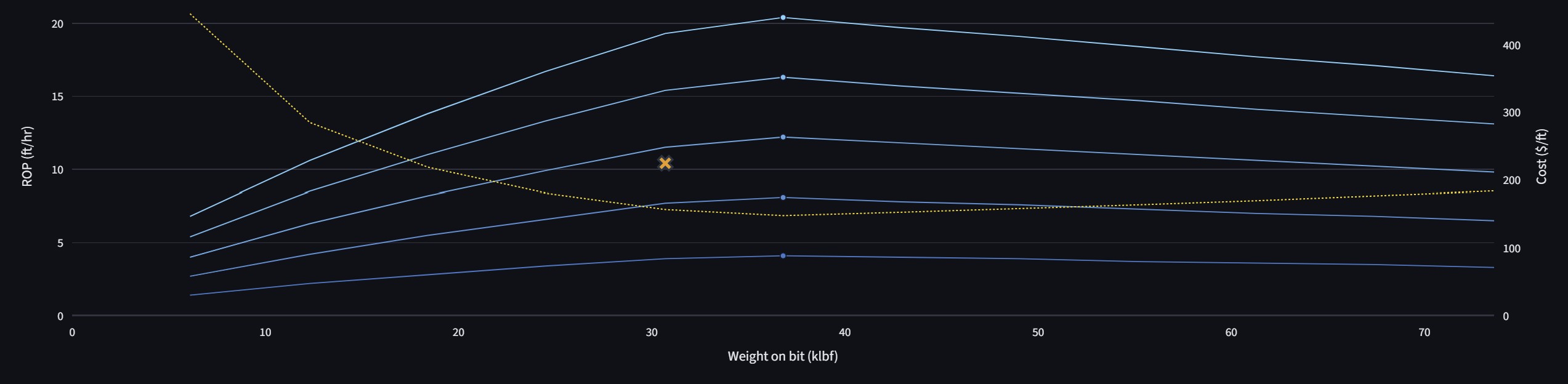
Kinematics, loads and enlargement performance.
Designed for decisions across the well lifecycle.
Planning and design
Compare trajectories, casing programs, BHAs, fluids and operating envelopes before committing to the well plan. Identify conflicts early and retain the technical basis for each decision.
Pre-job verification
Evaluate the planned sequence against transient pressures, mechanical loads, dynamics, hole cleaning, stability and tool limitations. Use RoboDWOP to drill the well on paper.
Operational support
Update the shared well state with actual data, rerun sensitivities and communicate actionable limits without rebuilding multiple independent models.
Built from engineering methods—not generated answers.
GeoWellSuit reflects decades of work in drilling mechanics, hydraulics, drillstring dynamics, casing integrity, survey interpretation, real-time well engineering and downhole tools. The product architecture separates deterministic solvers from data management, workflow coordination and AI assistance. This separation allows model results to be tested, benchmarked and reviewed independently of the conversational interface.
The technical foundation is supported by an extensive body of books, patents, professional papers and field applications developed by the iDrillWell team. Relevant references, model descriptions, validation cases and calculation assumptions can be provided during technical evaluation and customer demonstrations. The objective is defensible engineering: not merely a recommendation, but the evidence, limitations and sensitivities behind it.
What engineering teams usually ask.
Does GeoWellSuit replace engineering judgment?
No. Manual Mode preserves direct engineering control. AI Assist organizes work, explains results and coordinates approved analyses, while source data, methods and assumptions remain reviewable.
Can modules run independently?
Yes. A team can begin with a single discipline and expand. The shared well model becomes most valuable when several modules need consistent geometry, strings, fluids and operating conditions.
Can existing well data be imported?
The environment is designed to support structured well data and common engineering exchange formats. The exact import workflow can be configured for customer systems and data governance requirements.
Is GeoWellSuit only for drilling?
Its core focus is well design, drilling and construction, but the connected state and physics framework can support casing, intervention, geothermal and other complex well applications.
How are AI recommendations governed?
Agents operate within defined roles, tools and constraints. Actions and assumptions can be recorded, and deterministic engineering engines remain the authority for calculated results.
How can we evaluate it?
Bring a representative well, engineering problem or existing workflow. iDrillWell can demonstrate how GeoWellSuit constructs the case, runs the analysis and returns a traceable decision view.
See the connected engineering model work on your case.
A focused demonstration can use your trajectory, BHA, casing program, fluid system or operational challenge.